

Key Takeaways
- Myopia, also called nearsightedness, makes distant objects look blurry while close objects remain clear.
- Hyperopia, also called farsightedness, makes close objects look blurry while distant objects remain clear.
- Specialty glasses, contact lenses, and atropine drops can help manage myopia progression in children.
- Routine eye exams with an optometrist in Burlington can help detect vision changes early.
Maybe you sit down to watch a movie, but the screen looks fuzzy across the room. Or maybe you try to read a menu at a dimly lit restaurant, only to find the letters are blurry and hard to see. These daily frustrations can happen when your eyes struggle to focus light properly, but you don’t have to live with the discomfort.
The main difference between myopia and hyperopia is that myopia makes distant objects blurry, while hyperopia makes close objects blurry. At MEye Health, our team can perform a thorough eye exam to help identify what type of vision correction you need.
What Is Myopia?
Myopia, also called nearsightedness, can happen when the eye grows too long from front to back. This means that light focuses in front of your retina (at the back of the eye) instead of directly on it. This misdirected light means that distant objects appear blurry.
Genetics is the biggest risk factor for who will develop myopia, but some research does indicate that close-up focus may also play a role. Children who spend hours looking at close devices may be at a higher risk of myopia than those who spend time outside.
Common Signs and Symptoms
If you notice any of these symptoms, it’s a good idea to book an eye exam so our team can assess your visual health:
- Distant objects appear blurry to you.
- You find yourself frequently squinting to see far away.
- You get headaches after focusing on distant details.
What Is Hyperopia?
Hyperopia, also called farsightedness, can happen when the shape of your eye is too short, or when the cornea (the clear outer layer of the eye) has too little curvature. These issues make incoming light focus behind your retina instead of right on it. This makes nearby objects appear blurry.
Many people have mild cases of hyperopia, and in these cases, vision correction may not be necessary. But for others with more severe farsightedness, vision correction options such as glasses can be helpful.
Common Signs and Symptoms
If you have farsightedness, you may notice a few clear signs. Consider booking an eye exam if you notice:
- Close objects appear blurry.
- You feel eye strain after reading a book or focusing on something close by.
- You develop headaches after near work.
Differences Between Hyperopia and Myopia
Where Is Your Vision Blurry?
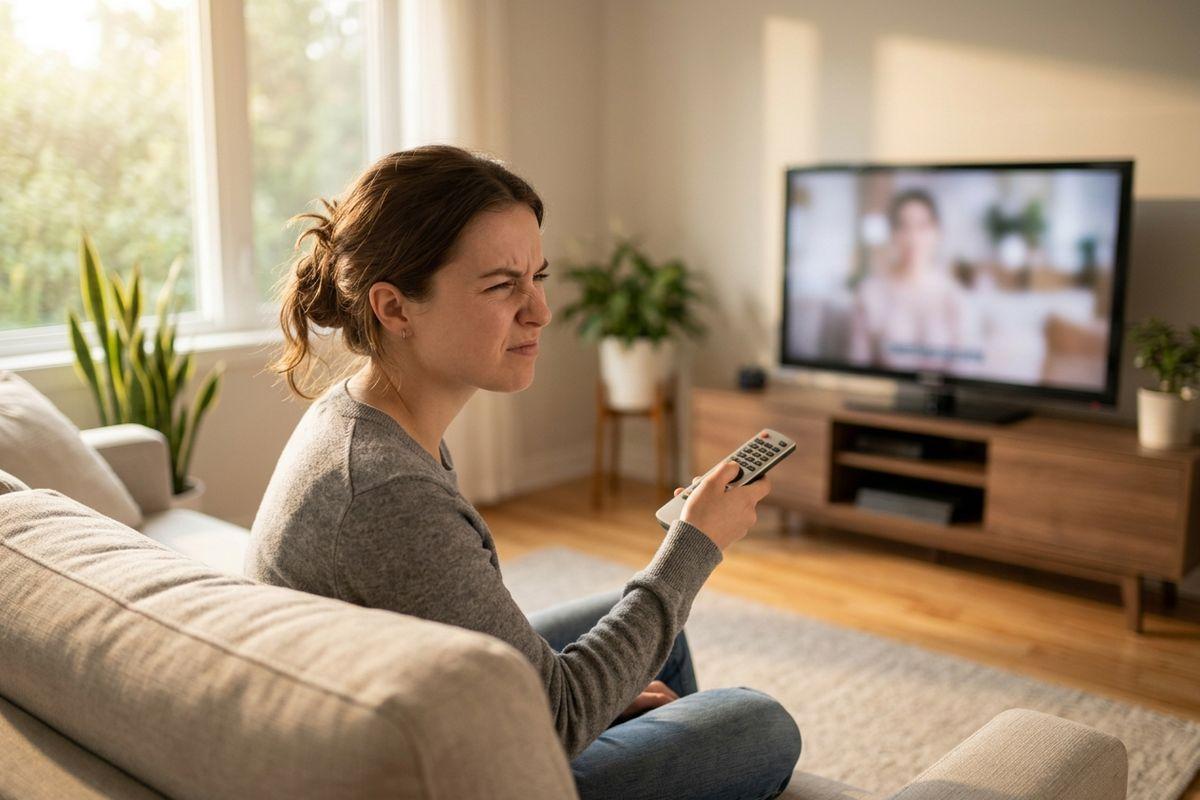
Paying attention to your daily tasks can help tell the difference between near and farsightedness. Distant items like road signs and television screens look blurry with myopia. Close items like books and smartphone screens look blurry with hyperopia.
Can +1.25 Lenses Help Identify the Condition?
Your prescription numbers tell a specific story about your eyes. Plus numbers like +1.25 point to farsightedness. The plus sign means you need extra focusing power to see things up close.
Minus numbers, such as -1.25, indicate nearsightedness. The minus sign shows you need help reducing the eye’s focusing power to see far away. The eye doctor can provide you with your exact prescription for clear, comfortable vision.
Myopia Control Options and Hyperopia Treatments
Myopia Control Methods
Managing the progression of nearsightedness is different than simply correcting blurry vision. For children whose prescription is getting stronger, myopia control can help slow the rate of these changes with the end goal of keeping their prescription low.
At MEye Health, we offer a few myopia control options. For example, specially designed lenses or contact lenses can help slow vision changes over time. Atropine drops provide another helpful option, especially for younger children. The eye doctor can help you choose the right combination for your family’s needs.
Modern Solutions for Hyperopia
Farsightedness responds well to several different approaches. Prescription glasses adjust how light enters your eyes so you can read comfortably up close. If you prefer contact lenses, they can give you a natural feel for comfortable vision correction without frames resting on your nose.
For some, refractive surgery may be a more permanent option that alters the shape of your cornea, helping you rely less on glasses day-to-day. Each option helps light land on the correct spot of your retina, providing you with clear, comfortable sight.
Why Regular Eye Exams Matter
Routine visits are important for catching changes in your eye health early. Small changes in your vision can happen gradually without you noticing, so early detection can support your comfort and overall eye health. Eye exams can also detect early signs of underlying conditions, such as diabetes or high blood pressure, making them a key part of your overall health routine.
Book Your Eye Exam Today
If you’ve been noticing blurry vision recently, it’s a good idea to see an optometrist at MEye Health. You don’t have to put up with blurry vision: Our team can help you find a vision correction solution that works for your lifestyle. Book your appointment today.