
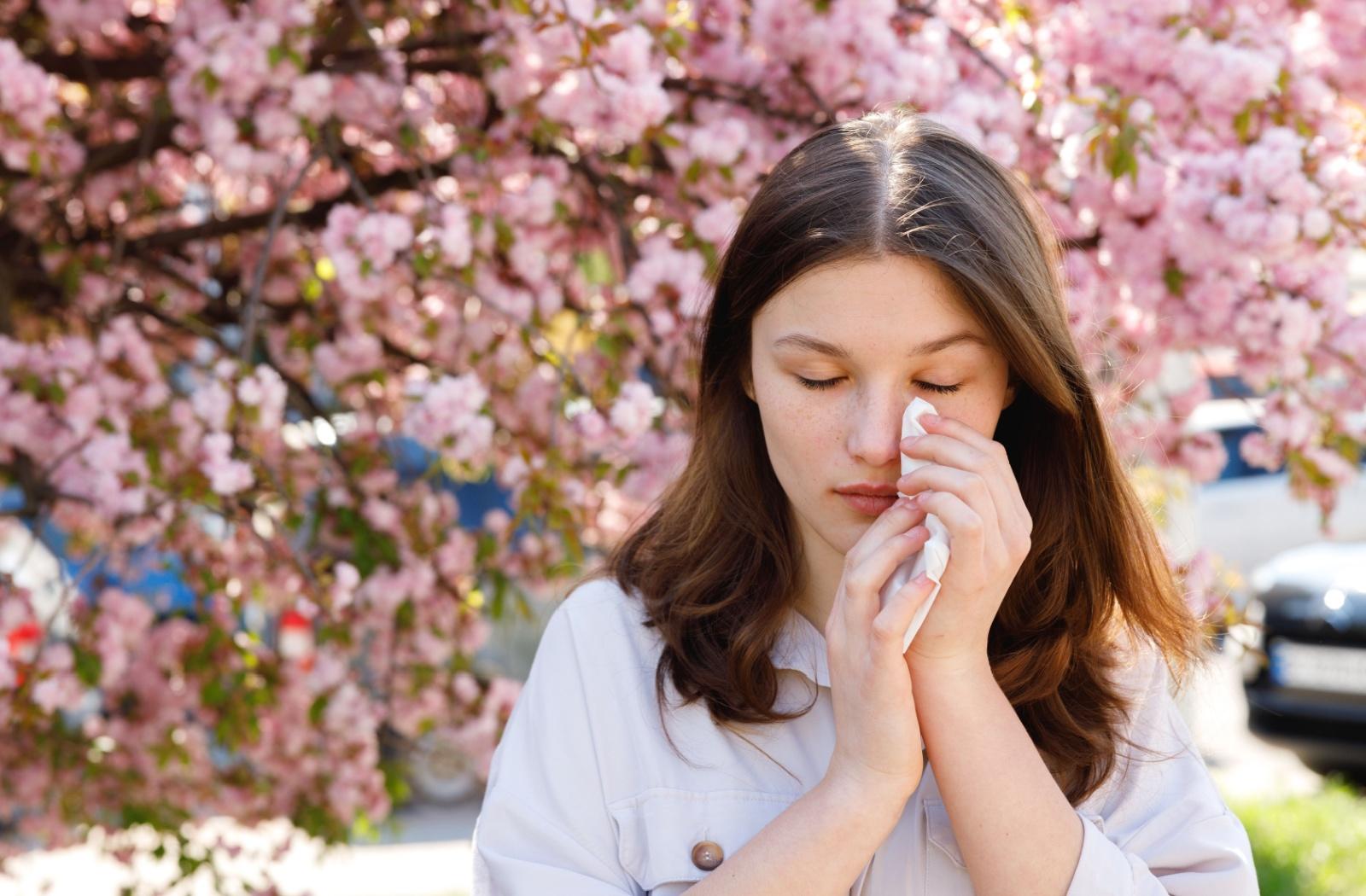
You know the feeling—your eyes are itchy, red, and just plain uncomfortable. You find yourself rubbing them, hoping for relief, but you’re not sure what’s causing the irritation. Our team at MEye Health knows how tricky it can be to tell the difference between dry eyes and allergies.
Figuring out the difference between dry eyes and allergies comes down to looking closely at your symptoms, their triggers, and how each condition affects your eyes. Paying attention to these clues can help you understand what your eyes are trying to tell you.
Spot the Difference in Your Symptoms
Your eyes can give you hints about what’s wrong. While dry eyes and allergies share some signs, like redness, they each have distinct symptoms that can point you in the right direction.
Key Signs of Dry Eyes
- A scratchy or sandy feeling, as if something is in your eye
- A stinging or burning sensation
- Blurry vision, especially after focusing on a screen or a book
- Stringy mucus near your eyes
- Discomfort when you wear your contact lenses
Key Signs of Eye Allergies
- An intense, hard-to-ignore itch
- Red and swollen eyelids
- Watery eyes that produce thin, clear tears
- Often appears with other allergy symptoms like a runny nose, sneezing, or allergic conjunctivitis
When the Symptoms Overlap
Both conditions can make your eyes red and irritated. Surprisingly, watery eyes can also be a symptom of dry eye. This symptom occurs when your eyes overproduce tears to try and combat the underlying dryness.
What Causes Your Eye Discomfort?
The “why” behind your symptoms is another major piece of the puzzle. Dry eyes and allergies happen for very different reasons, and identifying the source can help you find relief.
Common Triggers for Dry Eyes
- Long hours spent looking at a computer, which can lead to digital eye strain
- Age, as tear production can naturally slow down
- Dry environments caused by wind, smoke, or air conditioning
- Some health conditions or medications
- Wearing contact lenses for extended periods

Common Triggers for Allergies
- Seasonal allergens like pollen from trees, grass, and weeds
- Indoor irritants such as dust mites, pet dander, and mould
- Contact with a substance that sets off an allergic reaction
How Each Condition Affects Your Tears
Your tears are important for keeping your eyes healthy and comfortable. Dry eye disease and allergies disrupt the balance of your tears in different ways, leading to discomfort.
Dry Eyes & Tear Quality
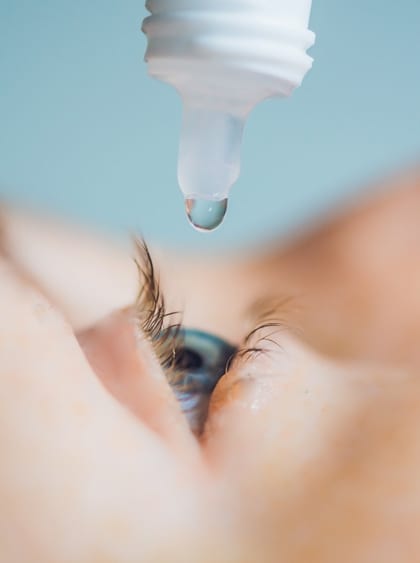
With dry eye, the issue is with your tear film. You might not be producing enough tears to keep your eyes properly lubricated, or else the tears you do produce might be evaporating too quickly.
Allergies & Your Body’s Response
Eye allergies are your immune system’s reaction to a normally harmless substance. When you’re exposed to an allergen, your body releases a chemical called histamine. This is what causes the classic itching, redness, and swelling you feel during an allergic reaction.
At-Home Tips for Temporary Relief
While a proper diagnosis from a professional can lead to a long-term solution, a few simple tips may offer some comfort in the meantime.
Soothe Your Dry Eyes
- Use the 20-20-20 rule: During screen use, every 20 minutes, look at an object 20 feet away for at least 20 seconds.
- Adjust your computer screen so it sits just below eye level.
- Use a humidifier to add a little moisture back into the air at home or work.
- Wear wraparound sunglasses when you’re outside to shield your eyes from wind.
Calm Your Allergic Eyes
- Try to stay away from your known allergy triggers when possible.
- Place a cool, damp cloth over your closed eyes to help reduce swelling and itchiness.
- Wash your hands right after you pet animals, and try not to rub your eyes.
When to Get a Professional Opinion
If you’re tired of guessing what’s wrong or if your symptoms just won’t go away, it may be time to see an optometrist in Burlington. A professional can help you get to the root of your discomfort and find effective relief, regardless of whether you have dry eye or allergies.
Your Symptoms Don’t Improve
If your eyes are consistently painful, red, or irritated even after trying at-home remedies, a comprehensive eye exam can provide clarity. Ongoing symptoms can affect your daily life and may point to an issue that needs attention.
Your Vision Is Affected
You should always have any changes to your vision checked out by a professional. This includes blurriness that blinking doesn’t fix.
Get a Clear Diagnosis & Personalized Plan
An eye exam can help identify the causes of your symptoms. Our team can run tests to check your tear quality and overall eye health in order to create a care plan that is tailored specifically for your needs.
You don’t have to live with constant eye irritation. If you’re ready to find answers and lasting comfort, our team at MEye Health is here to help. Schedule a visit and let us help you get your eyes feeling their best again.