
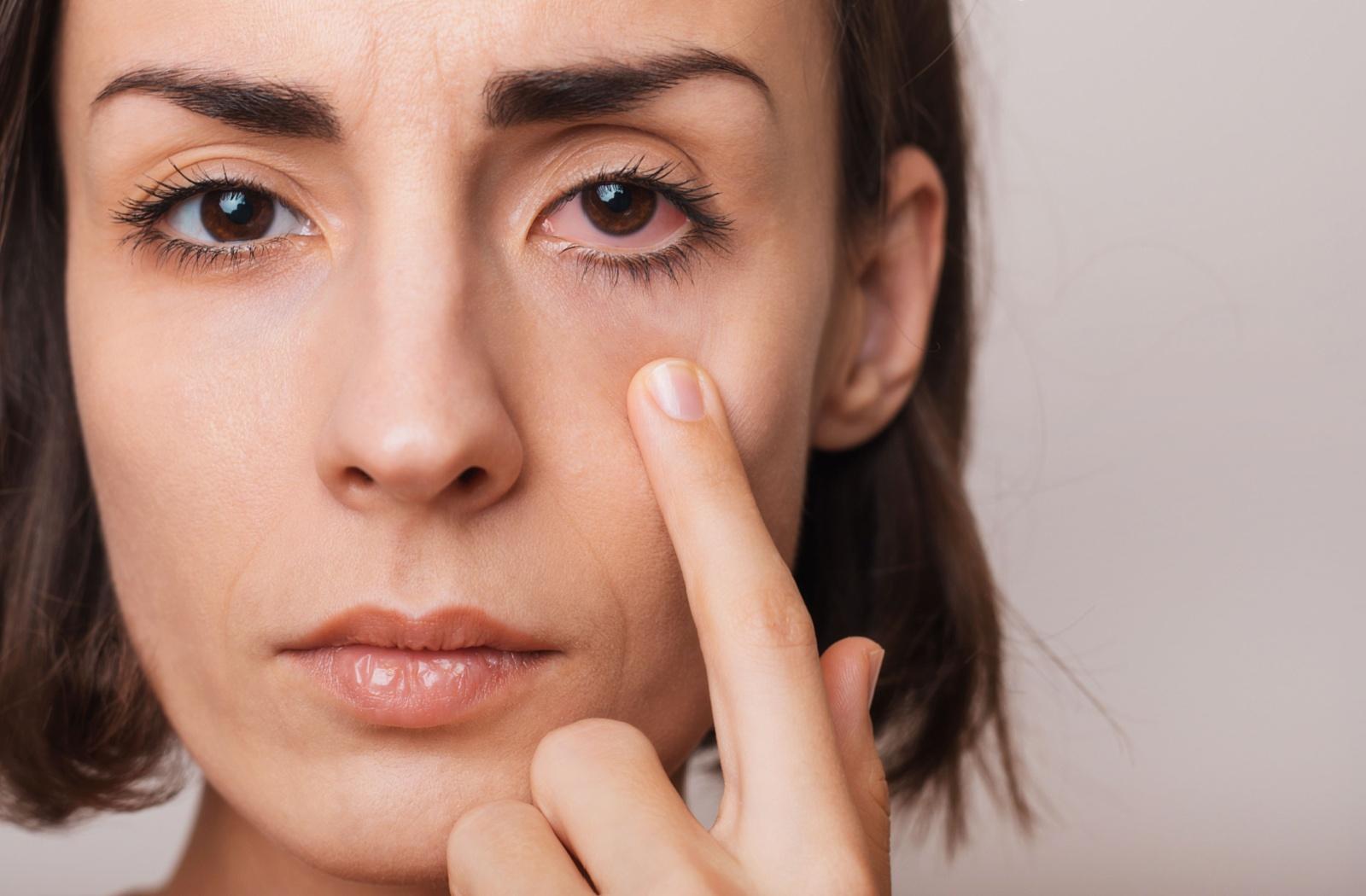
If you often deal with scratchy, stinging, or even watery eyes, you are not alone. These feelings are common signs of dry eye, a condition that happens when your tears don’t provide enough moisture. At MEye Health, our team sees many people with this issue, and we want you to know that we can help you manage it.
Understanding what may be behind the discomfort is the first step toward relief. Dry Eye can happen when your tear production is too low or when your tears evaporate too quickly, and many everyday factors can contribute to this imbalance.
How Your Tears Protect Your Eyes
Your tears are more than just water. They are a complex mixture that spreads across your eyes with every blink, helping keep the surface smooth and even. This tear film helps you see clearly and keeps your eyes comfortable.
When this delicate balance is disrupted, you can experience the scratchy, irritated feelings of Dry Eye. This can happen if your eyes don’t produce enough tears or if the tears you do produce aren’t the right consistency.
Everyday Habits and Environmental Factors
Sometimes, the cause of dry eye can be found in your daily routines and surroundings. Many common activities and environments can impact your tears.
Too Much Screen Time
When you focus on a screen, you tend to blink less often. Blinking is what spreads fresh tears over your eyes, so fewer blinks mean your eyes might dry out faster. This can lead to digital eye strain and irritation after just a few hours of work or scrolling.

Your Surroundings
The environment around you plays a big role in eye comfort. Factors that can contribute to dry eye symptoms include:
- Windy, smoky, or very dry climates
- Air conditioning and indoor heating
- Time spent at high altitudes or on airplanes
Contact Lens Wear
For some people, wearing contact lenses for long periods can contribute to dryness. Exploring specific contact lenses for dry eye can sometimes help improve comfort, as some lenses are designed to enhance moisture retention.
Health Conditions and Medications That Affect Tears
Dry Eye is not always caused by external factors. Sometimes, it is connected to your overall health, natural life stages, or the medications you take. It can even be a symptom of another underlying condition.
Common Medical Conditions
Certain health issues are known to affect tear production. These can include conditions like rheumatoid arthritis, Sjogren’s syndrome, lupus, and thyroid disorders.. Dehydration can also play a role in disrupting the tear film.
Certain Medications
Many common prescription and over-the-counter medicines can reduce tear production as a side effect. Some examples include anti-allergy or cold medications, antidepressants, and certain medications for high blood pressure.
Age and Hormonal Shifts
Tear production often decreases as you get older. Hormonal changes (especially those related to pregnancy or menopause in women) are also a common reason for dry eye symptoms.
What a Dry Eye Flare-Up Feels Like
When your eyes don’t have enough lubrication, you’ll probably notice it right away. The symptoms can range from mildly annoying to completely distracting, and they usually affect both eyes. In some cases, the persistent eye strain can even contribute to headaches. Common signs of a dry eye flare-up include:
- A stinging, burning, or scratchy sensation
- Stringy mucus in or around your eyes
- Redness and irritation
- Increased sensitivity to light
- The feeling of having something in your eye
- Difficulty with contact lenses
- Blurred vision or eye fatigue
- Watery eyes, which can be the body’s response to irritation
Simple Changes for Better Eye Comfort
While persistent Dry Eye can benefit from a professional look, you can make a few simple adjustments to your daily life to help prevent symptoms and increase your comfort. These small changes can make a big difference in how your eyes feel.
Take Screen Breaks
Give your eyes a rest by following the 20-20-20 rule. Every 20 minutes, look at something about 20 feet away for at least 20 seconds. This can help your eyes relax and remind you to blink more often.
Adjust Your Environment
You can add moisture to the air at home or in the office with a humidifier. It’s also helpful to direct car vents, fans, and hair dryers away from your face to reduce tear evaporation.
Protect Your Eyes Outdoors
Wear wraparound sunglasses or other protective eyewear when you are outside. This helps shield your eyes from drying elements like wind, sun, and dust, keeping them more comfortable.
Schedule Your Next Visit Today
At MEye Health, we know how frustrating it can be to constantly deal with dry eye disease. When you see our team, our goal is to help your vision feel as comfortable as it is clear. If you’re managing Dry Eye on your own, we encourage you to schedule a visit today.